
How Heavy Vehicles Impact Asphalt Driveway Lifespan
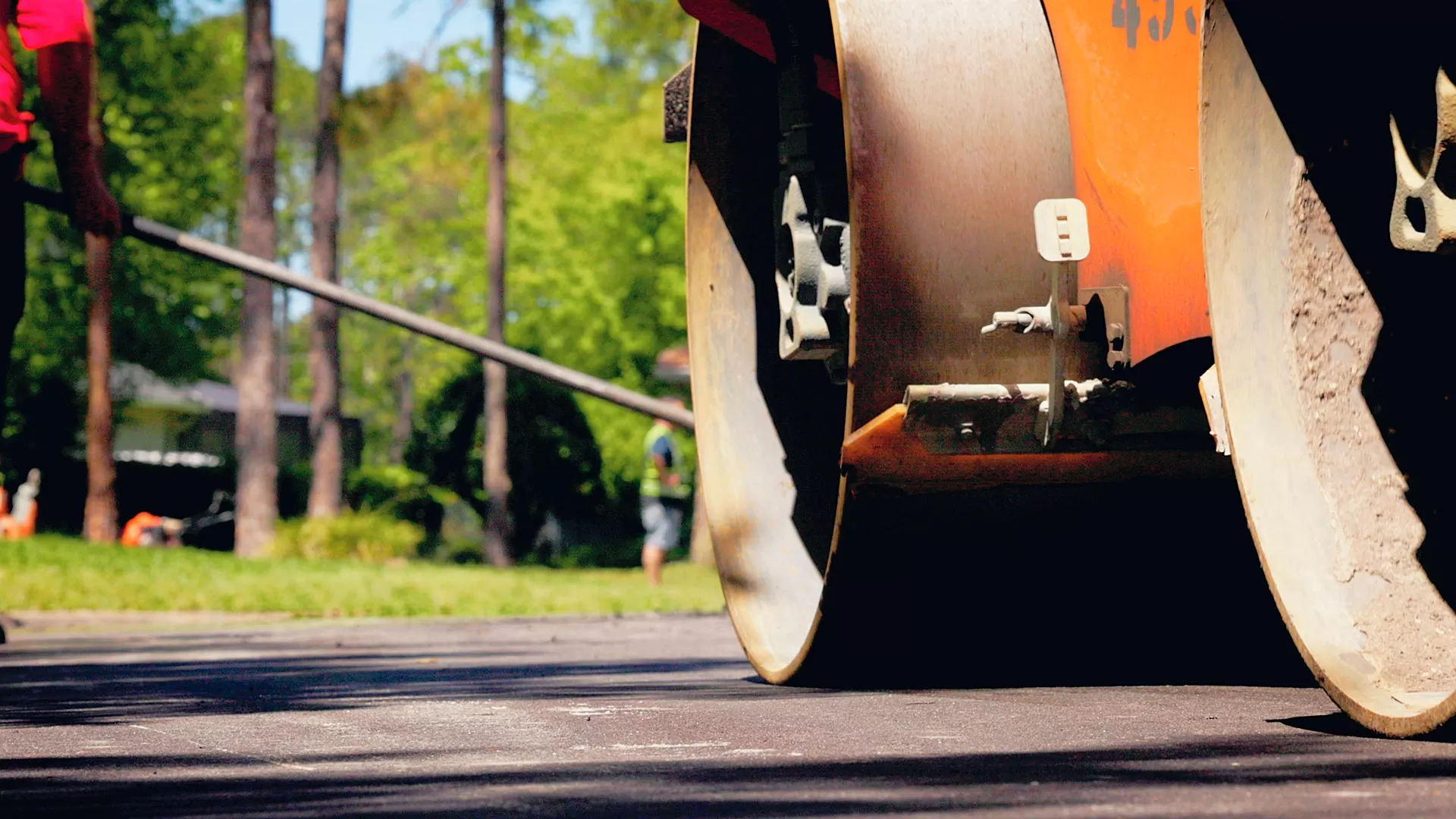
Homeowners often assume their driveway can handle anything with wheels, but asphalt has limits. Our Callahan, FL, residential paving contractor knows how RVs, boats on trailers, and heavy work trucks can place far more pressure on pavement than everyday vehicles. When that weight sits in the same location(s) day after day, the asphalt begins to show signs of stress. Cracks, dips, and loose aggregate form sooner, and the overall lifespan shortens.
Here’s an explanation of why this happens to help you better plan for asphalt driveway maintenance or new asphalt installation when the time comes.
Why Does Weight Affect Asphalt?
Asphalt is flexible by design. It expands and contracts with temperature changes and shifts slightly under pressure. When a driveway only supports standard cars, that movement is minimal. Heavy vehicles change the equation. Their weight creates concentrated stress points, especially where tires sit for long periods or when a trailer jack or RV stabilizers rest on the surface. Over time, those points begin to loosen the pavement structure below the surface.
Related Post → How Long Does a Paved Asphalt Driveway Last?
Once the base layer weakens, the asphalt loses its ability to distribute weight. That’s when hairline cracks start forming. If those cracks go untreated, water seeps into the base and softens it even more. What began as simple wear can turn into potholes, sinking areas, or the need for asphalt replacement much earlier than expected. Homeowners who frequently park oversized vehicles should pay close attention to early signs of wear and understand how to maintain an asphalt driveway before small issues grow.
Heat, Tire Pressure, & the Pliable Nature of Asphalt
Florida’s warmer months add another layer of stress. Asphalt becomes more pliable when temperatures rise. Heavy vehicles with large tires generate additional heat and pressure every time they move across the driveway. This combination softens the top layer just enough for it to warp or rut under weight, especially if the same parking pattern repeats daily.
High tire pressure makes the issue worse. The contact area between tire and pavement shrinks, creating more force per square inch. That force grinds down the surface, pushes aside aggregate, and can leave visible impressions. Once deformation starts, water collects in those shallow dips, accelerating the damage. Seasonal monitoring and scheduling asphalt maintenance can help reduce long-term repairs.
How Can I Set Up My Driveway to Last?
A driveway that supports heavy vehicles needs a stronger base. During asphalt driveway paving, the thickness of the base layer determines how well the driveway can handle weight. A standard driveway may only have a few inches of base stone and asphalt. If needed, our residential paving contractors can add more depth during a new install to provide better load distribution and reduce stress on the top layer.
For homeowners planning future upgrades, speaking with our team about heavier vehicle use is essential. A reinforced base might cost more up front, but it prevents early failures and lowers the long-term need for crack filling, driveway pothole repair, or full replacement. Good planning protects the investment and keeps the driveway looking clean and even.
The Importance of Asphalt Maintenance
Even a strong driveway needs ongoing care. Regular monitoring helps catch small cracks before they widen. Simple asphalt maintenance tasks like sweeping debris, controlling weeds along the edges, and redirecting water flow around the driveway all support long-term durability.
When cracks appear, prompt asphalt crack sealing keeps water out of the base layer. A protective surface treatment like professional asphalt sealcoating also helps shield the pavement from heat and oxidation. For driveways already showing moderate wear, resurfacing an asphalt driveway can restore structure without the expense of a full rebuild.
Request a Quote Today
Heavy vehicles will always leave their mark, but the right approach keeps a driveway functional and safe for years. With support and steady upkeep from our residential asphalt paving contractors in Callahan serving Greater Jacksonville, FL, even a hard-working driveway can stay solid well beyond its expected lifespan. Call First Coast Asphalt Solutions today at (904) 721-6300 or contact us online to request a quote.